Thuraya Phone Dubai
Thuraya Phone Dubai solutions are designed for businesses, field teams, marine users, remote workers, travellers and emergency planners who need a dependable communication path beyond normal mobile coverage. Dubai is one of the world’s best-connected cities, yet many UAE operations extend into desert routes, offshore areas, mountain locations, construction zones, logistics corridors and temporary sites where terrestrial coverage can become weak, congested or unavailable. A Thuraya satellite phone provides a separate communication option for essential voice calls, SMS and location-related functions when ordinary cellular service cannot be relied upon.
Fourteck supports customers looking for Thuraya phones in Dubai with model selection, business procurement guidance, SIM and airtime planning, accessory advice, regional delivery coordination and practical deployment support. The current Thuraya land-voice range includes the Thuraya ONE smartphone, XT-LITE, XT-PRO and XT-PRO DUAL. Older devices such as X5-Touch, SatSleeve, XT and XT-DUAL may still appear in the market or in existing deployments, but they should be evaluated as legacy products rather than the first choice for a new 2026 requirement.
Three Field-Focused Thuraya Handsets to Compare
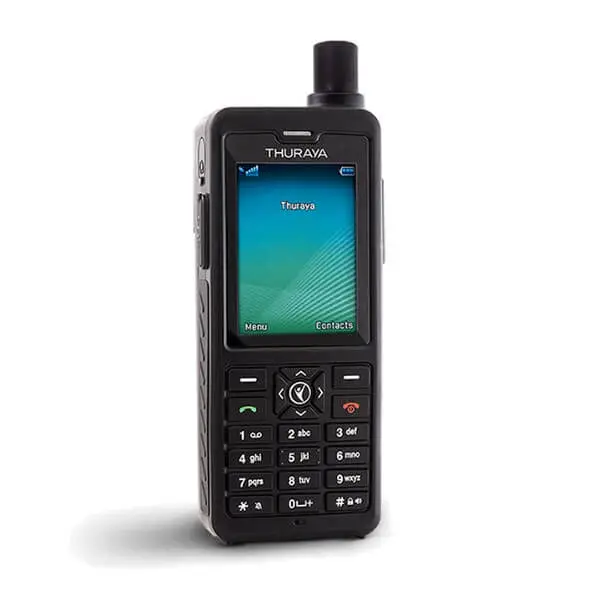
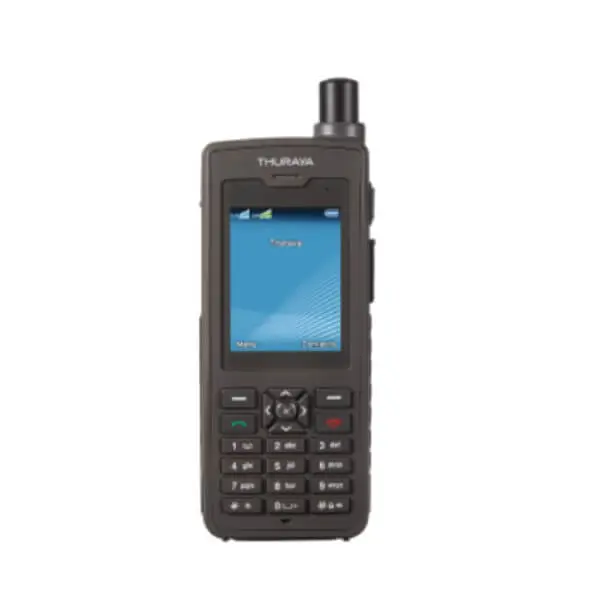
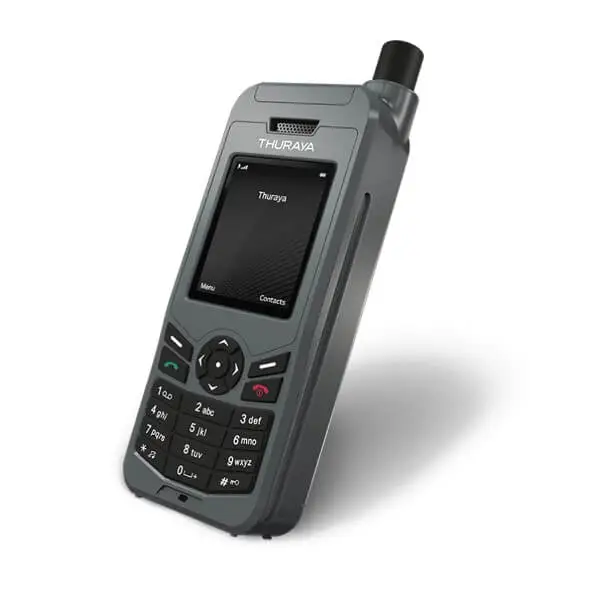
Modern Android smartphone experience with cellular and satellite connectivity for users who want one everyday device.
Rugged dedicated satellite handset with multi-GNSS navigation, SOS support and long field battery life.
Dual-mode satellite plus cellular handset for regional teams that want two network options in one rugged device.
Simple satellite voice and SMS handset for users prioritising straightforward operation and value.
A Practical Dubai Buyer Overview
Buying a satellite phone is different from buying a normal smartphone. The most important questions are not only screen size, camera or processor speed. A professional buyer should consider where the phone will be used, whether the user needs satellite-only or satellite-plus-cellular operation, required battery life, ruggedness, emergency features, navigation support, SIM and airtime requirements, vehicle or indoor use, and whether the device will be part of a larger business continuity or safety plan.
For Dubai customers, Thuraya is particularly relevant because the brand is closely associated with satellite communications across the Middle East, Africa, Europe, Asia and Australia. Its official 2026 product portfolio places Thuraya ONE, XT-LITE, XT-PRO and XT-PRO DUAL in the current land-voice range. This gives buyers several clear choices: a modern hybrid smartphone, a professional rugged satellite handset, a rugged dual-mode device, or a simpler budget-focused satellite handset.
Fourteck approaches Thuraya Phone Dubai requirements from the customer’s operating need rather than pushing one model for every buyer. A desert-tour operator may value straightforward voice communication and spare power. An offshore engineering team may prefer a rugged handset with emergency and navigation features. A regional executive moving between city networks and remote sites may benefit from a dual-mode product. A company standardising communication for many field teams may want the same model, accessories and usage procedure across multiple UAE and GCC locations.
Current Thuraya Phone Models for Dubai Buyers
Thuraya ONE Dubai
Thuraya ONE is the most modern smartphone-style option in the current Thuraya land-voice portfolio. It combines normal cellular connectivity with satellite calls and SMS, making it suitable for users who do not want to carry a conventional smartphone and a separate satellite handset. The device uses Android 14 and has a 6.67-inch AMOLED display protected with Gorilla Glass. It is positioned as an everyday smartphone that can extend communication beyond cellular coverage.
For Dubai-based professionals, this hybrid concept is useful when daily work starts in strong urban 4G/5G coverage but can move into remote zones, desert routes, offshore staging areas, cross-border travel or field assignments. Instead of changing devices when the terrestrial network disappears, the user has one platform that can provide cellular service in normal conditions and satellite voice/SMS when outside ordinary coverage.
Thuraya ONE is best considered by executives, project managers, mobile professionals, travel-intensive teams and businesses that want a more familiar smartphone experience. Satellite capability should still be treated as a specialist service: users need the correct service plan, suitable operating conditions and clear line-of-sight awareness for dependable satellite communication.
Thuraya XT-PRO Dubai
Thuraya XT-PRO is a professional dedicated satellite phone designed for users who prioritise rugged field communication rather than smartphone apps. It provides satellite voice calls, SMS and satellite data options, together with GPS, BeiDou and Glonass navigation support. The 2.4-inch outdoor-oriented display uses toughened Gorilla Glass, and the handset includes a dedicated SOS function for pre-programmed emergency contacts.
Battery performance is one of the major reasons the XT-PRO remains popular for professional field use. Official specifications list up to nine hours of talk time and up to 100 hours of standby under defined test conditions. The handset is designed with IP55 and IK05 class protection references for water-jet, dust and shock resistance. These characteristics make it relevant for field engineering, desert operations, logistics, marine support, site inspection and emergency-preparedness kits.
Dubai companies often select XT-PRO when they want a device that is easy to issue to staff, has limited distraction compared with a full smartphone, and focuses on the essential task of keeping teams reachable when terrestrial networks are unavailable.
Thuraya XT-PRO DUAL Dubai
Thuraya XT-PRO DUAL combines a Thuraya satellite SIM with a separate cellular SIM slot. Current product information supports satellite connectivity together with 4G/3G/2G cellular service, allowing one handset to operate on two different communication paths. This can be useful for UAE and GCC professionals who move frequently between cities, industrial zones, highways, desert sites and remote project locations.
The XT-PRO DUAL supports GPS, BeiDou, Glonass and Galileo navigation systems, includes a 2.4-inch toughened Gorilla Glass display and uses a 3400 mAh battery with published performance of up to 11 hours talk time and up to 100 hours standby. Its current protection rating is IP65 with IK05 impact reference. USB-C, earphone and external antenna interfaces help it fit more easily into professional field and vehicle workflows.
For Dubai buyers, this model is a strong choice where the user wants a rugged satellite handset but also needs a normal cellular connection in the same device. It can simplify equipment carried by regional supervisors, energy-sector personnel, construction managers, logistics teams and staff travelling between UAE and other covered markets.
Thuraya XT-LITE Dubai
Thuraya XT-LITE is the straightforward value-focused option in the current line-up. It is designed primarily for satellite calls and SMS, with a simple interface that can be useful when the goal is dependable basic communication rather than advanced smartphone features. Official information lists up to six hours of talk time and up to 80 hours of standby.
XT-LITE fits organisations that need a practical backup phone for vehicles, site teams, desert travel, outdoor activities or emergency kits. It can also work well for users who prefer physical keys and simple operation. Buyers should still plan charging, SIM/airtime, safe storage and regular testing so that the handset is ready when required.
Compare Current Thuraya Handsets
| Model | Primary Position | Network Approach | Key Strength | Ideal Dubai User |
|---|---|---|---|---|
| Thuraya ONE | Hybrid smartphone | Cellular + satellite | Everyday Android experience | Executives, mobile professionals, regional travellers |
| XT-PRO | Professional rugged SAT phone | Satellite | Ruggedness, navigation, SOS, battery | Field teams, offshore, desert, safety users |
| XT-PRO DUAL | Rugged dual-mode handset | Satellite + cellular | Two-network flexibility | Regional operations, logistics, travelling managers |
| XT-LITE | Value satellite handset | Satellite | Simple voice and SMS | Backup kits, travel, basic remote communication |
Legacy Thuraya Phones: What Dubai Buyers Should Know
Thuraya has produced many well-known products over the years, and older names remain visible in online searches, used-equipment listings and legacy corporate deployments. These include Thuraya X5-Touch, SatSleeve+, SatSleeve Hotspot, Thuraya XT, XT-DUAL and older fixed or accessory products. In 2026, buyers should not assume that every historically popular Thuraya handset is still part of the active current product family.
For a new procurement, Fourteck recommends starting with the current product portfolio and then evaluating a legacy unit only when there is a specific compatibility, replacement, installed-base or budget reason. Existing organisations that already own legacy handsets may need batteries, accessories, SIM support, firmware guidance or a migration path to a newer model. Availability can vary, so legacy model supply should be confirmed before relying on it for a project timeline.
Why Thuraya Phones Are Relevant for Dubai and the UAE
Dubai’s communications infrastructure is advanced, but business activity extends far beyond central commercial districts. Teams travel between offices, industrial areas, ports, remote roads, desert zones, project sites and offshore environments. In those situations, a satellite phone is valuable because it provides an independent communications layer that does not depend on a nearby cellular tower.
For many organisations, the real value is business continuity. A satellite handset can be stored as part of a contingency kit for critical supervisors, security teams, vehicles or remote workers. When mobile networks are unavailable, overloaded or outside range, the team has another way to make essential calls or send short messages. Satellite phones are not a replacement for everyday mobile networks; they are a complementary resilience tool.
Common UAE Field Communication Scenarios
Oil, Gas and Energy Operations
Energy projects can involve remote field locations, temporary camps, inspection teams, pipeline routes, offshore activity and contractors moving between sites. A Thuraya phone can support voice communication, emergency coordination and location-related procedures where GSM coverage is weak. The XT-PRO and XT-PRO DUAL are especially relevant because of their rugged designs, navigation features and field-oriented battery performance.
Marine, Yacht and Offshore Support
Near-shore cellular service can be inconsistent once a vessel moves beyond normal coverage. A handheld Thuraya phone can provide an additional voice and SMS option for yacht operators, marine service teams, fishing vessels, survey crews and offshore support personnel. For regular vessel communications or higher data needs, buyers should also consider dedicated marine satellite systems rather than expecting a handheld phone to replace a full marine terminal.
Desert Safari, Outdoor Tourism and Expeditions
Tour operators, expedition organisers and outdoor users often travel in areas where a mobile phone cannot be treated as the only emergency communication device. A Thuraya handset can form part of a wider safety plan that includes route management, first-aid equipment, navigation tools, charged spare power and predefined emergency contacts.
Construction and Remote Project Sites
Temporary sites may open before fixed telecom infrastructure is ready. Satellite phones can give project managers and safety teams a basic independent communication option while other systems are being installed. For sites needing data, Wi-Fi or multiple users, a dedicated satellite broadband terminal may be more suitable.
Logistics and Cross-Border Transport
Long-distance transport can pass through variable coverage zones. A satellite handset stored in a fleet vehicle or carried by a route supervisor can support escalation when terrestrial service disappears. The XT-PRO DUAL can be attractive for users who want cellular and satellite capability in one rugged device, while XT-LITE can suit simpler backup requirements.
Emergency Preparedness and Business Continuity
Organisations often buy satellite phones not for daily use but for rare situations when normal communications fail. For this purpose, readiness matters more than simply owning the device. The handset should be charged, SIM and airtime validity should be checked, important contacts should be stored, users should know how to acquire satellite signal, and the equipment should be tested on a defined schedule.
How Satellite Calling Works in Practical Use
A satellite phone needs a suitable view of the sky and communication with the satellite network. Indoor use, dense structures, underground areas and some obstructed locations can reduce or block the signal. Users should be trained to extend the antenna correctly, move to an open area when needed and wait for network registration before making a call.
For vehicles, boats or indoor offices, external antennas, docking solutions or repeaters may be required depending on the deployment. This is one reason Fourteck recommends discussing the actual operating location before choosing accessories. A handset that works perfectly outdoors may need additional infrastructure for reliable operation inside a building or vehicle cabin.
Thuraya Coverage for UAE, GCC and Regional Operations
Thuraya’s coverage footprint is designed for extensive service across the Middle East, Europe, Africa, much of Asia and Australia, with coverage extending across major regional land and maritime areas. For a Dubai buyer, this makes the service relevant not only inside the UAE but also for many regional business routes.
Companies with staff travelling between the UAE, Saudi Arabia, Oman, Kuwait, Qatar and Bahrain often consider Thuraya because a single satellite communication platform can support a broad geographic operating area. Coverage should always be checked for the exact destination, especially for edge-of-footprint areas, maritime routes or projects outside the core Middle East region.
Dubai Areas We Support
Fourteck can support Thuraya Phone Dubai enquiries from businesses and users across Deira, Bur Dubai, Business Bay, Downtown Dubai, Dubai Marina, Jumeirah Lake Towers, Al Barsha, Al Quoz, Jebel Ali, Dubai Investment Park, Dubai South, Dubai Silicon Oasis, Al Qusais, Mirdif, Dubai Airport areas and companies operating from free zones, ports and industrial districts. The buying decision should be based on the intended remote operating area rather than the office location where the phone is ordered.
UAE-Wide Thuraya Phone Requirements
Beyond Dubai, satellite phone requirements commonly come from Abu Dhabi energy and offshore operations, Sharjah industrial businesses, Ras Al Khaimah mountain and industrial activities, Fujairah marine and logistics operations, Ajman companies, and field teams working across Umm Al Quwain. Fourteck can help businesses standardise models and accessories for teams distributed across multiple Emirates.
GCC, Africa and International Project Support
Dubai functions as a procurement and logistics hub for companies running projects across the GCC, Africa and parts of Asia. A customer may therefore buy a Thuraya phone in Dubai for use in Oman, Saudi Arabia, Kuwait, Bahrain, Qatar, Kenya, Uganda, Tanzania, Nigeria or another supported market. For international use, the buyer should check the target country’s local satellite-phone rules, import requirements, SIM registration requirements and coverage before deployment.
Fourteck can assist with the hardware planning side by helping organisations choose between dedicated satellite phones, dual-mode devices and broader satellite data solutions. This is particularly useful for procurement teams that manage equipment centrally in Dubai and then deploy it to field offices or project teams abroad.
Choosing the Right Thuraya Phone in Dubai
Choose Thuraya ONE when you want a modern Android smartphone that combines normal cellular use with satellite calling and SMS.
Choose XT-PRO when you want a dedicated rugged satellite phone with long battery life, multi-GNSS navigation and an SOS function.
Choose XT-PRO DUAL when your user regularly moves between cellular coverage and remote areas and wants both options in one rugged handset.
Choose XT-LITE when the requirement is simple satellite voice/SMS and value is more important than advanced features.
Questions to Ask Before Buying
- Will the phone be used daily, occasionally, or only for emergency backup?
- Does the user need satellite-only service or both cellular and satellite?
- Will it be carried on foot, stored in a vehicle, used on a vessel or kept in an office emergency kit?
- Is rugged protection important for dust, water, heat and impact exposure?
- Is a dedicated SOS function required by the organisation’s safety policy?
- Do users need GPS or multi-GNSS positioning support?
- How long will the device stay away from reliable charging?
- Does the project need spare batteries, vehicle chargers, external antennas, docking or indoor signal solutions?
- Which countries will the device be used in, and are there local regulatory requirements?
- What SIM, airtime and recharge process will the organisation use?
Thuraya SIM, Airtime and Activation Planning
The handset is only one part of a working satellite communication solution. Buyers also need to plan the SIM, service activation, airtime validity, recharge method and user procedure. Organisations should assign responsibility for checking service validity before travel or field deployment. An emergency phone that has not been charged or does not have usable service credit may not provide the expected resilience.
For corporate teams, it can be useful to maintain an equipment register containing handset model, serial details, assigned user or vehicle, SIM information, expiry or recharge date, last test date and accessory checklist. This turns the satellite phone from an isolated purchase into a managed business continuity asset.
Thuraya Phone Accessories for Dubai Deployments
Common requirements can include spare batteries, AC chargers, vehicle chargers, protective cases, external antennas, docking solutions and hands-free accessories. The correct accessory depends on the model and use case. Vehicle and indoor operation may require external antenna planning because satellite devices perform best with suitable visibility toward the satellite.
For professional deployments, Fourteck recommends preparing a complete kit rather than purchasing only the handset. A field kit can include the phone, charged spare power, charger, vehicle charging option, quick-use instructions, emergency contact list and a protective carry case.
Thuraya Phone vs Satellite Broadband Terminal
A handheld satellite phone is ideal for essential voice and SMS communication and, depending on the model, limited data functions. It should not be confused with a dedicated satellite broadband terminal. Teams that need shared Wi-Fi, higher data throughput, file transfer, remote applications or multiple connected users may need a different Thuraya land-data solution.
For vehicle fleets, temporary field offices, command posts or remote technical teams, the correct design may combine a handheld satellite phone for direct voice with a separate broadband terminal for data. Fourteck can help customers identify whether a phone-only solution is enough or whether a larger remote connectivity design is required.
Corporate Procurement for Multiple Handsets
Business customers often need more than a single unit. Fourteck can support multi-unit requirements for projects, fleets, field teams, contractors and emergency stores. Standardising one model across a company can simplify training, spare parts and operating procedures. In other cases, a mixed deployment works better: executives may use Thuraya ONE or XT-PRO DUAL, while vehicles and field kits use XT-PRO or XT-LITE.
Before a bulk purchase, organisations should define the intended user groups, expected countries, battery and charging requirements, accessory list, SIM management approach and testing schedule. This reduces the risk of buying the wrong model simply because it has the lowest price or the most features.
Fourteck Support for Dubai Buyers
Fourteck focuses on business communication and IT solutions, allowing the Thuraya requirement to be considered alongside the customer’s broader connectivity and continuity needs. Customers can discuss the use case, compare current Thuraya handset options, plan accessories and identify when a satellite phone should be paired with another communications solution.
- Dubai and UAE-focused product consultation
- Guidance on current Thuraya models and legacy replacement planning
- Corporate and multi-unit procurement support
- SIM, airtime and deployment planning assistance
- Accessory recommendations for field, vehicle and office use
- Regional requirements across UAE, GCC and selected international projects
- Practical guidance for testing, storage and emergency readiness
Related Fourteck Thuraya Resources
Customers comparing satellite phones can also review Fourteck’s broader Thuraya Phone UAE guide and the dedicated Thuraya XT-PRO Dubai product page. These related Fourteck resources support model-specific and UAE-wide research without relying on unrelated third-party retail pages.
What to Decide Before Requesting a Thuraya Phone Quote
A useful quotation begins with the operating requirement rather than only a model name. A buyer asking for one emergency handset for a vehicle has a different requirement from an energy contractor deploying twenty phones across field teams, a marine company equipping supervisors, or a regional business that wants one device to move between cellular and satellite networks. Before requesting pricing, identify the number of users, where the handsets will actually operate, whether the units are for everyday use or contingency use, how frequently they are expected to make calls, whether text messaging is important, whether a cellular SIM must be active in the same device, and whether the phones will spend time inside vehicles, cabins or buildings.
For a new Dubai procurement, the four most relevant starting points are Thuraya ONE, XT-PRO, XT-PRO DUAL and XT-LITE. Thuraya ONE is the smartphone-style choice: the official fact sheet lists Android 14, 5G/4G/3G/2G cellular support, Thuraya L-band satellite connectivity, dual Nano SIM, a 6.67-inch AMOLED display and IP67 protection. XT-PRO is a dedicated professional satellite handset with GPS, BeiDou and Glonass navigation, a dedicated SOS function and official battery figures of up to nine hours talk time and up to 100 hours standby under stated test conditions. XT-PRO DUAL combines satellite and terrestrial mobile operation with two SIM slots, adds Galileo to its supported navigation systems and has published battery figures of up to 11 hours talk time and up to 100 hours standby. XT-LITE focuses on satellite calls and SMS with an easy-to-use interface and published battery performance of up to six hours talk time and up to 80 hours standby.
Those specifications are useful, but procurement should also consider workflow. A construction supervisor may need a rugged handset with a clear emergency procedure. A managing director who travels from normal 5G coverage into remote areas may prefer one hybrid smartphone. A logistics business may value satellite and cellular in one rugged unit so staff carry fewer devices. A safety kit stored in a vehicle may need simplicity, a protective case, reliable charging and a scheduled test procedure more than advanced features. Fourteck can use these operational details to narrow the model, accessories and service planning before a customer commits to quantity.
| Requirement | Model to review first | Why it fits | Buying check |
|---|---|---|---|
| Everyday smartphone plus satellite fallback | Thuraya ONE | Cellular smartphone workflow with satellite calls and SMS when outside terrestrial coverage. | Confirm service plan, target countries, accessories and intended satellite-use conditions. |
| Rugged dedicated satellite field phone | Thuraya XT-PRO | Professional satellite-first design, navigation support, SOS and long standby profile. | Check charging, spare power, external antenna need and user training. |
| Satellite plus terrestrial mobile in one rugged handset | Thuraya XT-PRO DUAL | Dual-SIM, dual-mode operation for teams moving between normal mobile coverage and remote areas. | Confirm compatible cellular frequencies, satellite SIM, service rules and mode settings. |
| Simple backup calling and SMS | Thuraya XT-LITE | Straightforward satellite voice and SMS without unnecessary smartphone complexity. | Confirm availability, battery condition, charger type, SIM and airtime. |
SIM, Airtime and Activation Are Part of the Buying Decision
A satellite handset without a suitable service setup is not operationally ready. The procurement plan should include the satellite SIM, the intended prepaid or postpaid service approach where applicable, expected call volume, recharge or renewal responsibility, roaming or regional usage needs, and an internal owner who keeps the service active. A phone purchased for emergency use can easily be forgotten in a cabinet or vehicle; if the SIM or airtime is not checked, the business may discover the problem only when the device is actually needed.
Fourteck therefore recommends treating the handset and service as one operational package. Customers can review the dedicated Thuraya SIM Card Services Dubai page for SIM planning and the Thuraya Satellite Airtime Plans Dubai page for service considerations. The right service choice depends on use frequency, project duration, number of handsets and operating countries. Exact plans, pricing and availability can change, so they should be confirmed at quotation time rather than assumed from an old deployment.
For corporate fleets, create a simple register containing handset model, device identifier, assigned user or vehicle, SIM number, service owner, activation date, airtime status, charger and accessory set, storage location, test date and next review date. This is more valuable than issuing phones without governance. It also helps procurement teams know which units are active, which require accessories, which batteries are ageing and which legacy devices should be evaluated for replacement.
For projects outside the UAE, service planning should be checked against the target country, applicable coverage and local rules for importing, carrying and operating satellite communications equipment. Do not assume that a handset purchased in Dubai can be used in every destination under the same administrative conditions. A regional deployment should be reviewed country by country when compliance, SIM registration or operational restrictions may apply.
Vehicle, Indoor and Fleet Deployment: Plan for the Real Operating Environment
A handheld satellite phone is easiest to use outdoors with a suitable view of the sky. That does not mean every business user will stand in an open area whenever a call is required. Fleet supervisors may use phones around vehicles, marine teams may work inside cabins, project staff may be in site offices, and emergency teams may store a handset indoors until an incident occurs. These realities should influence accessory selection and user instructions before purchase.
For vehicle use, consider where the handset will be stored, how it will be charged, whether the user can safely move outside the vehicle to acquire satellite service, and whether an external antenna or compatible docking arrangement is justified. The objective is not to over-engineer a simple backup phone; it is to remove predictable failure points. A satellite handset left with a flat battery, damaged cable or no knowledge of antenna orientation is not a dependable contingency system.
Indoor use deserves similar planning. Building materials, roof structures and surrounding obstructions can prevent a direct satellite path. When a company expects frequent indoor usage, it should discuss compatible external antennas, repeaters or other supported arrangements rather than assuming the handheld will behave like an ordinary mobile phone inside an office. Thuraya documentation for current handsets lists accessory options such as external antennas and indoor repeaters for supported use cases; compatibility should be checked for the exact handset and deployment.
For a fleet, standardisation is usually more important than having several different models. Using the same handset, charger and accessory set across vehicles simplifies spares, training and replacement. A standard kit can include the phone, approved charger, vehicle charging option, protective storage, quick-start instructions, emergency contact sheet and a documented testing interval. Larger organisations can add a handover form and issue register so accountability remains clear.
Customers that require a more formal deployment can review Thuraya Satellite Phone Installation Dubai for practical setup considerations. A handheld phone may not require conventional installation, but an operational system still benefits from correct charging, accessory selection, signal-awareness training, service validation and handover testing.
Build a Satellite Phone Readiness Program, Not Just a Hardware Purchase
Businesses often buy satellite phones for low-frequency, high-importance situations: a remote site loses terrestrial service, a field engineer moves beyond network coverage, a convoy enters an isolated route, or a business continuity plan is activated. Because the phone may sit unused for weeks or months, readiness needs to be managed. The organisation should know who is allowed to use the device, how to switch to satellite operation, where to stand for a clear view of the sky, how to dial required numbers, how to send an SMS, how to use SOS features where configured, and how to report a fault.
A simple monthly or quarterly test can be more useful than an elaborate procedure that nobody follows. The test may include battery level, charger condition, SIM registration, network acquisition in a suitable outdoor location, one controlled call or message where permitted, accessory inspection and confirmation that emergency contacts remain current. For large fleets, testing can be rotated by vehicle or department so operations are not disrupted.
Battery care is especially important for standby kits. Published talk and standby figures are laboratory-style specifications, not a promise that an ageing battery stored in a hot vehicle will achieve the same performance. Temperature, battery age, charging habits, signal conditions and usage pattern all affect real-world endurance. Spare batteries or alternative charging methods may be useful for long field missions, but every accessory should be compatible with the exact handset model.
Readiness also includes communication planning. Decide which numbers staff should call first, who monitors incoming calls, what information should be sent by SMS if voice is difficult, and how a satellite call fits with radio, cellular, internet and emergency procedures. A satellite phone is most useful when it is part of a layered communications plan rather than the only fallback.
Name the user, vehicle, department or emergency custodian responsible for the handset.
Check network registration, calling or messaging, SIM status and the condition of charging equipment.
Explain antenna use, sky-view requirements, basic menu operation, emergency contacts and safe storage.
Track battery age, accessories, firmware guidance, service validity and whether a legacy handset should be replaced.
How Thuraya Phone Pricing Should Be Evaluated
The cheapest handset is not always the lowest-cost business option. Total procurement can include the phone, satellite SIM, airtime or service plan, chargers, spare power, external antenna or docking accessories, protective storage, delivery, user training, service administration and replacement planning. A company buying several units should also consider whether standardising one model will reduce support costs compared with maintaining a mixed fleet.
Price can also vary by exact model, supply channel, lifecycle status and package contents. Legacy products sometimes appear attractive because they are familiar or inexpensive, but buyers should check battery availability, charger compatibility, firmware support, service suitability and the condition of used or old-stock units. A lower acquisition price can become expensive if accessories are difficult to source or the device no longer fits the organisation’s operating requirement.
For that reason, Fourteck does not need to publish an invented fixed price on this buyer page. Customers can review the dedicated Thuraya Satellite Phone Price Dubai guide to understand quotation factors and can use the Thuraya Satellite Phone Availability Dubai page for supply-status guidance. Final availability, quantity, package contents and current commercial terms should be confirmed before an order is placed.
When requesting a quotation, provide the model if already selected, required quantity, intended use, target operating country or countries, whether satellite-only or dual-mode operation is preferred, expected project start date and any accessories already known to be necessary. This information helps avoid a quote that looks complete but misses operational items.
Dubai and UAE Procurement Scenarios
Dubai is often the purchasing location even when the handset will be used elsewhere. Companies based in Business Bay, JLT, Deira, Bur Dubai, Al Quoz, Jebel Ali, Dubai South or Dubai Investment Park may procure equipment for project managers who travel to remote sites in Abu Dhabi, Ras Al Khaimah or Fujairah, for marine teams working from ports, or for regional staff moving through GCC and African markets. The office address therefore should not be the only factor in model selection.
Construction and infrastructure: supervisors and safety teams may need an independent voice path before fixed telecom services are ready or while crews work beyond reliable terrestrial coverage. Ruggedness, charging and a clear handover process usually matter more than entertainment features.
Energy and field engineering: site visits can involve long travel, outdoor work and strict emergency procedures. XT-PRO or XT-PRO DUAL may be reviewed first when navigation, SOS features, rugged design and longer field endurance are priorities. The actual choice still depends on the organisation’s service and cellular requirements.
Logistics and transport: a fleet operator may want a simple backup handset in selected vehicles or a dual-mode phone for supervisors who frequently move between mobile coverage and remote roads. Standard chargers, storage, testing and assignment records are essential if many units are deployed.
Marine and offshore support: a handheld can provide an additional voice and SMS option, but it should not automatically be treated as a replacement for a dedicated vessel communications system. The correct solution depends on operating distance, vessel size, frequency of use, need for data and the wider safety communications design.
Executive and regional travel: users who want one familiar smartphone experience may consider Thuraya ONE, while teams that prefer a purpose-built device may be better served by XT-PRO or XT-PRO DUAL. Country-specific rules and service eligibility should always be reviewed before travel.
Business Handover, Training and Audit Trail
A business deployment should finish with a handover that proves the phone is ready for its intended user. The handover does not need to be complicated. Confirm the handset powers on, the correct SIM is installed, the user understands the network mode, the device can register in a suitable location, charging accessories are present, and the required contacts have been added. If the organisation uses SOS or emergency-contact functions, the responsible team should decide in advance which numbers are appropriate and verify the configuration under its own procedures.
Training should focus on the situations that cause most real-world confusion. A user familiar with ordinary smartphones may expect a satellite phone to work inside a building, under a metal roof or between tall obstructions. Explain that satellite service generally needs a suitable view of the sky and that the antenna must be used correctly. Show the user how to recognise network registration, how to retry from a better location, and how to avoid assuming that one failed attempt means the handset or network is defective. For dual-mode devices, explain which mode is active and how the organisation expects users to choose between terrestrial and satellite service.
A short printed or digital quick-reference card can accompany every device. It can contain the assigned handset name, SIM number, internal support contact, emergency escalation numbers, basic steps for acquiring satellite service, charging instructions and the date of the next planned test. Keep the guide specific to the actual model; mixing instructions from several Thuraya generations can create mistakes when button layouts, menus, connectors or operating modes differ.
For multiple handsets, an audit trail helps procurement and operations teams know the condition of the fleet. Record issue and return dates, user or vehicle assignment, battery condition, accessories supplied, service status, last functional test, reported faults and replacement decisions. This does not require specialist software for a small fleet; a controlled spreadsheet or asset register may be sufficient. Larger organisations can integrate the devices into their existing IT or safety asset-management process.
When a phone is returned from a project, do not simply place it into storage. Inspect the handset and antenna, check the charging connector and cable, verify that the battery is not damaged or excessively degraded, remove personal contacts or messages according to company policy, confirm the service requirement for the next assignment, and store the unit in a controlled location. If a model is legacy or accessories are becoming difficult to obtain, mark it for lifecycle review rather than waiting for a future emergency to discover the problem.
The same discipline applies to spares. A spare handset is useful only when its battery, SIM and accessories are also ready. If the organisation keeps one spare for every several operational units, rotate testing so the spare is not ignored. Where several projects use the same model, maintain a small pool of known-good chargers, cables and compatible accessories to simplify replacement.
For incident response, define what happens after the satellite phone is used. The user may need to notify a control room, log the call, report a network or device issue, recharge the unit, and return it to its normal storage location. This closes the loop and helps the organisation learn whether its communication plan works in practice. Repeated issues such as poor indoor reception, insufficient vehicle charging or unclear responsibility can then be corrected through accessories, training or procedure changes.
Fourteck can support this process at the procurement and deployment stage by helping customers align handset choice, accessories, SIM and airtime planning, user guidance and project-specific operating requirements. The objective is a usable field communication system, not a box that remains unopened until an emergency.
When a Handheld Satellite Phone Is Not the Right Tool
A Thuraya handheld is designed primarily around personal or small-team voice and messaging requirements. It should not be selected automatically for every remote-connectivity project. A construction camp that needs laptops, cloud applications, CCTV backhaul and staff Wi-Fi has a broadband requirement. A vessel needing continuous operational data, crew connectivity and integrated communications may require a dedicated maritime terminal. A remote branch that must keep several users online during a terrestrial outage needs a network design rather than a single phone.
This distinction matters during budgeting. A phone can be an excellent emergency voice layer even when a site already has satellite internet. The two services solve different problems and can complement one another. Broadband supports applications and multiple devices; the handheld gives selected staff an independent personal communication path that does not rely on the local LAN, Wi-Fi access point or office router being operational.
If the requirement includes both voice resilience and site internet, describe both when requesting a solution. Fourteck can then separate the handset requirement from the broadband requirement and avoid expecting one product to perform a job for which it was not designed. This is especially useful for temporary sites, energy projects, remote camps, logistics yards and emergency-response locations where communications may include cellular, radio, satellite voice and satellite broadband together.
A well-designed procurement therefore starts by asking what must remain connected, who must communicate, how many users are involved, what applications are required and what happens when the primary network fails. Only then should the organisation decide whether it needs a Thuraya phone, a satellite broadband terminal, or both.
A Better Corporate Procurement Checklist
List the countries, routes, project zones, offshore areas or remote locations where the device is expected to be used.
Decide whether the phone is for daily field work, travel, emergency backup, fleet use, marine coordination or corporate resilience.
Choose whether satellite-only operation is sufficient or whether the same handset must also support cellular service.
For multi-user projects, select a standard model and accessory kit where practical so training and spares remain manageable.
Review mains charging, vehicle charging, spare battery strategy and field power before deployment.
Identify situations where external antennas, repeaters or compatible accessories may be needed.
Assign responsibility for activation, recharge, validity checks, billing and service administration.
Provide quick training on antenna position, sky view, network registration, calling, messaging and emergency procedures.
Track firmware guidance, battery condition, accessory support and replacement needs for legacy devices.
Verified Same-Site Thuraya Resources
Use the model pages for handset-specific details and the service pages for SIM, airtime, pricing and deployment planning. These links keep the buying journey inside Fourteck’s satellite communications site.
Frequently Asked Questions
Which Thuraya phone is best in Dubai?
There is no single best model for every user. Thuraya ONE suits buyers wanting a modern smartphone with satellite capability. XT-PRO suits rugged dedicated satellite use. XT-PRO DUAL suits users who want both cellular and satellite in one professional handset. XT-LITE suits simpler voice and SMS requirements.
What are the current Thuraya land-voice models?
Thuraya’s current land-voice portfolio includes Thuraya ONE, XT-LITE, XT-PRO and XT-PRO DUAL. Older names such as X5-Touch, SatSleeve, Thuraya XT and XT-DUAL are considered legacy products on Thuraya’s current website.
Can a Thuraya phone work when there is no mobile signal?
Yes, the purpose of the satellite service is to provide communication independent of normal terrestrial mobile towers, subject to satellite coverage, a suitable service plan and adequate view of the sky.
Can I use a Thuraya phone indoors?
Direct satellite operation indoors can be limited because the signal needs suitable satellite visibility. Depending on the building and model, an external antenna, docking solution or indoor satellite signal system may be needed.
Which Thuraya model supports both satellite and cellular networks?
Thuraya ONE and XT-PRO DUAL are current products designed for satellite plus terrestrial cellular use. The best choice depends on whether the buyer prefers a modern smartphone experience or a rugged field-oriented handset.
How long does the XT-PRO battery last?
Official Thuraya specifications state up to nine hours of talk time and up to 100 hours standby for XT-PRO under defined conditions. Real-world battery life varies according to signal conditions, temperature, usage and battery age.
How long does the XT-PRO DUAL battery last?
Current official specifications list up to 11 hours of talk time and up to 100 hours standby. Organisations should still carry charging options or spare power for extended field operations.
Is XT-LITE suitable as an emergency backup phone?
Yes. XT-LITE is designed for straightforward satellite voice and SMS and can be a practical emergency or travel backup when advanced features are not required. The phone should be charged, activated and periodically tested.
Does Thuraya cover GCC countries?
Thuraya provides broad regional coverage that includes the Middle East and supports many GCC operating areas. Buyers should verify the exact intended location and route before deployment.
Can Fourteck support corporate quantities?
Fourteck can support business enquiries for multiple units, accessories and deployment planning. Corporate buyers should provide quantity, required country of use, preferred model or use case, and required delivery timeline when requesting a quotation.
Do satellite phones need special operating knowledge?
Basic operation is straightforward, but users should be trained on antenna position, network registration, outdoor line-of-sight, emergency contacts, battery management and service validity. A short practice session before field use is recommended.
Can Thuraya phones be used outside the UAE?
Yes, within supported coverage and subject to the destination country’s local rules. Satellite-phone import, possession and use regulations can differ by country, so international users should confirm requirements before travel.
Request a Thuraya Phone Quotation
Talk to Fourteck About Your Satellite Phone Requirement
For an accurate quotation, share the model you are considering, quantity, primary country of use, business or personal requirement, and whether you need SIM, airtime, vehicle accessories, spare power or a broader satellite communication solution. Fourteck can then recommend the most suitable current Thuraya option for the requirement.
Focus requirement: Thuraya Phone Dubai • Dubai & UAE supply support • Corporate and field communication • GCC and regional deployment planning.